
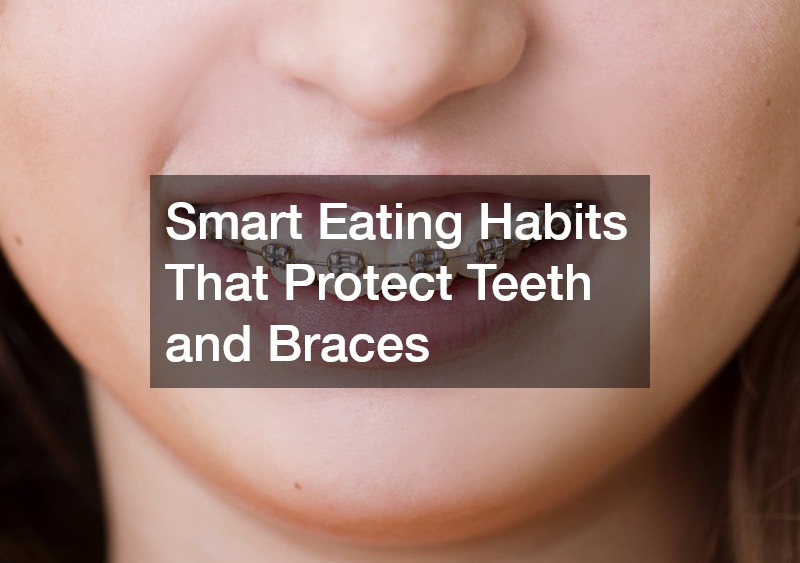
Braces can dramatically improve the appearance and function of a smile, but they also require major adjustments to daily eating habits. Certain foods can loosen brackets, bend wires, stain enamel, or create hard-to-clean buildup that increases the risk of cavities and gum irritation. Developing smart eating habits during orthodontic treatment is one of the best ways to protect both your teeth and your investment in a healthier smile.
The good news is that wearing braces does not mean giving up enjoyable meals forever. With the right strategies, patients can still enjoy a wide variety of foods while minimizing damage and discomfort. Learning how to make smarter choices at home, at school, and while dining out can help braces stay intact and treatment stay on track.
Understanding How Food Choices Impact Orthodontic Treatment

Many people underestimate how much food texture affects braces. Hard foods can crack brackets, sticky foods can pull wires loose, and sugary foods can increase plaque buildup around orthodontic appliances. Because braces create additional surfaces where food particles collect, oral hygiene becomes even more important during treatment.
An experienced orthodontist will often explain that braces are durable but not indestructible. The more frequently brackets or wires become damaged, the longer treatment may take. Food-related repairs can also lead to additional office visits and discomfort.
Children and teens may struggle the most with these adjustments, especially during social events or school lunches. A pediatric dentist may recommend gradually introducing braces-friendly alternatives instead of completely restricting favorite foods overnight. This approach often helps younger patients stay more consistent with healthy habits.
Some common foods that frequently damage braces include:
- Hard candy
- Ice cubes
- Popcorn kernels
- Sticky caramel
- Chewy bagels
- Tough pizza crusts
- Nuts
- Corn on the cob
- Crunchy chips
- Gum
Safer alternatives include:
- Soft fruits
- Yogurt
- Pasta
- Rice dishes
- Steamed vegetables
- Soft sandwiches
- Smoothies
- Scrambled eggs
- Oatmeal
- Soup
The goal is not perfection. Instead, patients should focus on reducing unnecessary risks while maintaining balanced nutrition and enjoyable meals.
Building Better Daily Meal Habits at Home
Creating a braces-friendly routine at home makes healthy eating much easier. Many orthodontic problems occur because patients grab quick snacks or convenience foods without thinking about how they affect brackets and wires.
Families can simplify meal planning by stocking foods that are naturally soft and easy to chew. Keeping safe options readily available reduces the temptation to eat risky foods.
Helpful meal-planning strategies include:
- Preparing soft proteins like shredded chicken or ground turkey
- Cooking vegetables until tender
- Cutting fruits into smaller pieces
- Using slow cookers for softer meals
- Keeping yogurt and cheese sticks available for snacks
- Making smoothies with healthy ingredients
- Choosing softer breads and wraps
Many dentists for kids recommend involving children in grocery shopping and meal prep so they better understand which foods help protect their braces. When kids feel included in decision-making, they are often more willing to follow dietary recommendations.
Regular checkups at local dental offices also help reinforce good eating habits. Dental professionals can identify early signs of enamel damage, plaque buildup, or food-related bracket stress before larger issues develop.
Families should also pay close attention to beverages. Sugary drinks and acidic sodas can weaken enamel and increase staining around brackets. Water remains the safest and healthiest option throughout orthodontic treatment.
Making Smarter Choices While Dining Out
Eating at restaurants can feel challenging during orthodontic treatment, especially when menus include crunchy appetizers, tough meats, or sticky desserts. However, dining out does not have to become stressful when patients know how to choose safer options.
The key is evaluating foods based on texture rather than simply avoiding entire cuisines. Many restaurant meals can easily be modified to become braces-friendly.
Helpful restaurant strategies include:
- Cutting food into smaller bites
- Choosing grilled instead of fried foods
- Avoiding extra-crunchy toppings
- Requesting softer side dishes
- Eating slowly and carefully
- Skipping hard bread baskets
- Choosing pasta, rice, or softer proteins
An Italian restaurant often offers many good options for braces wearers because pasta dishes, risottos, soups, and softer seafood meals are generally easier to chew. Patients should still be cautious with overly crunchy breadsticks or hard pizza crusts.
When visiting restaurants with friends or family, planning ahead can reduce stress and help patients avoid impulsive food choices that could damage braces.
Good restaurant options may include:
- Soft pasta dishes
- Mashed potatoes
- Steamed vegetables
- Rice bowls
- Soft tacos
- Meatballs
- Soup and salad combinations
- Fish dishes
- Macaroni and cheese
- Soft sandwiches
Patients should also carry orthodontic wax and floss picks when eating away from home. Food particles can easily become trapped in braces during restaurant meals.
Navigating Takeout and Comfort Foods Safely

Takeout meals are part of modern life, especially for busy families. Fortunately, patients with braces can still enjoy many favorite foods with a few modifications.
Mexican food offers both safe and risky choices depending on preparation. Soft tacos, rice bowls, beans, and enchiladas are usually safer than crunchy taco shells or hard tortilla chips. Patients should also be careful with extremely chewy meats or overly crunchy toppings.
Similarly, Chinese takeout can work well for braces wearers if patients choose softer dishes like steamed rice, lo mein noodles, tofu, dumplings, or stir-fried vegetables. Crunchy fried appetizers and sticky candy-coated meats may create more problems.
Helpful takeout tips include:
- Removing hard toppings
- Choosing steamed over crispy items
- Cutting meat into smaller pieces
- Letting hot foods cool slightly before eating
- Avoiding sticky sauces when possible
- Drinking water during meals
- Brushing soon after eating
Meal texture matters more than the cuisine itself. Patients who learn how to evaluate foods carefully can continue enjoying a wide range of meals throughout treatment.
Families should also avoid making braces wearers feel overly restricted. Completely eliminating enjoyable foods can increase frustration and make patients less likely to follow recommendations consistently. Moderation and smart substitutions usually work better than extreme limitations.
Avoiding Common Foods That Damage Braces
Some foods are responsible for a large percentage of orthodontic emergencies. Understanding which foods create the greatest risk can help patients make smarter decisions before problems occur.
One surprisingly risky food category includes hot wings. Although the chicken itself may be manageable, the texture around bones can increase the risk of biting too hard or damaging brackets. Sticky sauces can also cling to braces and make cleaning more difficult afterward.
An orthodontist will often advise patients to avoid biting directly into foods whenever possible. Instead, cutting foods into smaller pieces helps reduce pressure on brackets and wires.
Foods that commonly cause problems include:
- Hard pretzels
- Popcorn
- Jerky
- Sticky candy
- Whole apples
- Corn on the cob
- Tough steak
- Crunchy tacos
- Ice chewing
- Nuts
Safer substitutions include:
- Apples sliced thinly
- Soft tortilla wraps
- Ground meats
- Soft granola alternatives
- Yogurt parfaits
- Pasta salads
- Soft-cooked vegetables
- Smooth nut butters
- Tender chicken dishes
Texture awareness is one of the most important habits braces wearers can develop. Patients should pause before eating unfamiliar foods and evaluate whether they are likely to bend wires or loosen brackets.
Managing Sensitivity After Adjustments
Orthodontic adjustments often cause temporary soreness, especially during the first few days after tightening appointments. During these periods, softer foods become especially important.
A sedation dentist may sometimes help highly anxious patients who experience significant fear about dental procedures or orthodontic care. While sedation itself does not directly affect eating habits, comfortable patients are often more cooperative with treatment and oral care instructions afterward.
During soreness periods, softer meals can reduce discomfort while still providing proper nutrition.
Helpful foods after adjustments include:
- Mashed potatoes
- Oatmeal
- Smooth soups
- Yogurt
- Protein shakes
- Applesauce
- Scrambled eggs
- Soft pasta
- Cottage cheese
- Rice dishes
Cold foods may also help reduce inflammation and tenderness temporarily. Many patients find relief from smoothies, chilled fruit, or cold yogurt.
A pediatric dentist may also encourage younger patients to maintain hydration during periods of soreness. Dry mouth can worsen discomfort and increase plaque buildup around braces.
Patients should avoid:
- Extremely crunchy foods
- Very chewy meats
- Sticky candy
- Hard chips
- Tough bread crusts
The soreness usually improves within a few days, but maintaining soft food habits during that period can prevent unnecessary irritation.
Helping Children Develop Long-Term Healthy Habits

Children and teenagers often need additional support when learning how to eat safely with braces. Social pressure, school lunches, and extracurricular activities can make consistent habits more difficult.
Parents can help by creating simple guidelines rather than overly strict food rules. Positive reinforcement typically works better than punishment when encouraging braces-friendly eating habits.
Helpful strategies for families include:
- Packing soft school lunches
- Preparing easy after-school snacks
- Keeping reusable water bottles available
- Teaching proper brushing after meals
- Practicing how to order safe foods at restaurants
- Explaining why certain foods are risky
Many dentists for kids recommend teaching children to chew more carefully and slowly rather than rushing through meals. Mindful eating reduces accidental damage and encourages better digestion overall.
Regular visits to local dental offices also help reinforce accountability. When children hear consistent advice from both parents and dental professionals, they are more likely to maintain healthy routines.
Parents should remember that braces treatment is temporary. Framing dietary changes as short-term adjustments instead of permanent restrictions often improves cooperation.
Preventing Plaque Buildup Around Braces
Food choices affect more than just brackets and wires. Braces also increase the risk of plaque accumulation, which can lead to cavities, gum inflammation, and white spot lesions on teeth.
Sugary and starchy foods are especially problematic because they feed oral bacteria that produce enamel-damaging acids. When plaque becomes trapped around brackets, cleaning becomes much harder.
Patients can reduce buildup by:
- Drinking water frequently
- Brushing after meals
- Using floss threaders
- Avoiding constant snacking
- Limiting sugary beverages
- Rinsing after eating
- Using fluoride toothpaste
- Attending regular cleanings
Sticky foods are particularly harmful because they cling to braces longer than softer foods. Even foods marketed as “healthy” can create problems if they contain dried fruit, sticky granola, or excessive sugar.
Patients should also avoid sipping sugary drinks throughout the day. Constant sugar exposure increases acid attacks on enamel and makes cavity formation more likely.
Healthy snack ideas include:
- Cheese cubes
- Yogurt
- Banana slices
- Soft berries
- Hummus
- Cottage cheese
- Hard-boiled eggs
- Soft crackers
- Smoothies
- Avocado toast
Consistency matters more than perfection. Small daily habits often determine whether patients finish orthodontic treatment with healthy enamel and gums.
Handling Food-Related Orthodontic Emergencies
Even careful patients occasionally experience broken brackets or bent wires. Knowing how to respond calmly can prevent further complications.
If a bracket loosens:
- Avoid touching it excessively
- Use orthodontic wax if irritation occurs
- Eat softer foods
- Contact the dental office promptly
If a wire bends:
- Avoid pulling or cutting it
- Use wax to cover sharp edges
- Rinse with warm salt water if irritation develops
- Schedule an appointment if discomfort continues
An orthodontist can determine whether immediate repair is necessary or if the issue can safely wait until the next scheduled visit.
Some patients experience severe dental anxiety during emergency visits. A sedation dentist may help nervous patients feel more comfortable during longer or more complex repairs.
Patients should never ignore damaged braces. Even small issues can gradually affect tooth movement and treatment progress if left unaddressed.
Creating Sustainable Eating Habits Beyond Orthodontics
One of the hidden benefits of braces treatment is that patients often develop healthier long-term eating habits. Learning to chew carefully, reduce sugary foods, and prioritize oral hygiene can continue benefiting overall health long after braces are removed.
Many patients become more aware of:
- Portion control
- Sugar intake
- Hydration habits
- Snacking frequency
- Food texture
- Oral hygiene routines
These habits can reduce the future risk of cavities, gum disease, enamel wear, and other dental complications.
A pediatric dentist may encourage families to continue braces-friendly eating habits even after treatment ends, especially for younger patients still developing lifelong routines.
Likewise, local dental offices often emphasize preventive care after braces removal. Retainers, regular cleanings, and continued healthy eating habits all contribute to preserving orthodontic results.
Patients should remember that braces are only one part of overall oral health. Long-term success depends on consistent daily care and mindful food choices.
Conclusion
Smart eating habits play a major role in protecting teeth and braces throughout orthodontic treatment. From choosing softer foods to avoiding sticky snacks and maintaining strong oral hygiene routines, small daily decisions can prevent unnecessary damage and support healthier outcomes.
Patients who learn how to evaluate food texture, plan meals carefully, and practice consistent cleaning habits often experience fewer orthodontic emergencies and smoother treatment overall. While braces may require temporary adjustments, those changes can also encourage healthier lifelong habits that continue benefiting oral health well into the future.
With patience, preparation, and informed choices, it is entirely possible to enjoy satisfying meals while keeping braces safe and treatment progressing successfully.