
The early developmental years of childhood are filled with milestones, from first steps and spoken words to the gradual emergence of primary teeth. While parents readily baby-proof living spaces and focus on pediatric nutrition, building a solid foundation for early childhood oral care often presents a unique set of challenges. Establishing positive hygiene routines well before formal education begins is crucial for overall health, speech development, and lifelong confidence. A young child’s smile is constantly evolving, and the habits formed during infancy and toddlerhood determine the health of both baby teeth and the permanent teeth waiting beneath the gums. When parents take an active, engaging approach to daily care, brushing and flossing become comforting parts of the daily rhythm rather than exhausting bedtime battles.
Neglecting primary teeth under the misconception that they simply fall out anyway can lead to unnecessary discomfort, infections, and premature tooth loss. Early childhood decay can impair a child’s ability to chew nutritious foods properly and may alter how speech patterns develop during critical learning phases. Beyond physical considerations, chronic dental distress can undermine self-esteem and cause anxiety surrounding clinical environments. Making daily hygiene enjoyable requires intentional effort, creative games, and unwavering consistency from caregivers. By modeling proper techniques and integrating interactive storytelling into morning and evening routines, parents can transform tedious hygiene tasks into shared moments of connection.
Preparing children for classroom settings involves more than teaching colors, numbers, and social sharing. It also encompasses physical readiness, where independent self-care skills take center stage. When toddlers transition into academic environments, they navigate communal snack times, peer interactions, and extended hours away from parental oversight. Instilling pride in a clean smile equips them to manage their own routines with ease and minimizes school absences caused by preventable toothaches. Cultivating these essential habits from the eruption of the first tooth ensures that entering formal education is smooth, healthy, and happy. With patience, enthusiasm, and practical guidance, every parent can nurture bright smiles that endure for years to come.
Welcoming the Very First Baby Teeth
Caring for a young smile begins long before a complete set of primary teeth emerges through the gums. Even during infancy, milk sugars and formula residues can linger along delicate oral tissues, creating an environment where bacteria thrive. Using a clean, damp washcloth or a soft silicone finger brush to wipe the gums after feeding cleanses the mouth and acclimates babies to the physical sensation of oral care. Once the first tooth arrives, transitioning to an ultra-soft, age-appropriate toothbrush helps protect sensitive enamel from early bacterial damage.
Establishing these early rituals lays the groundwork for seamless hygiene as toddlers grow more autonomous. When parents introduce hygiene gently during early infancy, children view daily cleansing as a natural, soothing part of life rather than an invasive chore. Maintaining this calm consistency keeps sensitive gum tissue comfortable during difficult teething intervals while supporting overall oral wellness throughout the toddler years.
Turning Morning Brushing into Pure Entertainment

Toddlers frequently assert their independence through resistance, making the bathroom mirror a common battleground during busy morning hours. Rather than turning brushing into a rigid command, parents can transform the task into a cooperative game filled with imagination and rhythm. Brushing alongside your child encourages natural mimicry, showing them that adults practice the exact same habits every single day. Setting a gentle two-minute timer accompanied by an energetic song keeps young minds engaged while ensuring every surface receives adequate attention.
Making hygiene playful removes power struggles and creates positive emotional associations with daily cleanliness. Giving children small choices, such as selecting their favorite colorful handle or picking between fruit-flavored pastes, empowers them without compromising the routine. When toddlers discover that keeping their smiles clean is genuinely fun, their enthusiasm carries forward naturally into their upcoming preschool days.
Choosing the Right Tools and Toothpaste
Navigating the dental care aisle can feel overwhelming given the dizzying array of tiny brushes, specialty pastes, and colorful rinses marketed to young families. For children under three, pediatric guidelines suggest using a tiny smear of fluoride toothpaste no larger than a single grain of uncooked rice. Once children reach age three and learn how to spit effectively, that amount can safely increase to a pea-sized dab to strengthen developing enamel against acid attacks.
Using gentle products prevents enamel abrasion and avoids irritating sensitive gums. Children love vibrant colors and familiar cartoon characters, so letting them choose their personal brush fosters a sense of pride and ownership. When parents provide the right gear and oversee paste application, young children develop safe spitting habits without swallowing excess product during their formative years at home before entering a private school.
Overcoming Fear of the Pediatric Exam Room
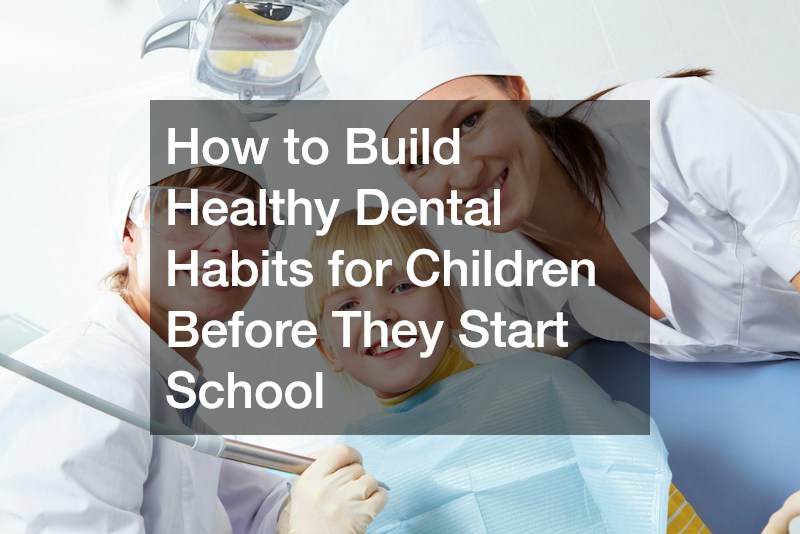
A clinical environment filled with unfamiliar sounds, bright overhead lights, and reclining chairs can intimidate even the most adventurous preschooler. Introducing children to professional checkups by their first birthday or shortly after their first tooth appears normalizes these visits before any dental problems emerge. Early visits focus primarily on gentle visual checks, counting teeth together, and helping the child feel comfortable around the clinical team.
Approaching early appointments as fun adventures prevents dental phobias from taking root. When children witness their parents interacting warmly with a family dentist, they absorb that sense of safety and trust. Positive early experiences create confident young patients who walk into clinical environments without apprehension, setting a wonderful precedent that protects their teeth throughout their youth and into adulthood.
Managing Sticky Snacks and Sweet Beverages

Daily brushing and flossing represent only half of the equation when safeguarding young enamel against premature childhood decay. Dietary habits play an equally powerful role, as harmful oral bacteria feed on lingering carbohydrates to produce enamel-eroding acids. Sticky dried fruits, gummy candies, and sweetened crackers often adhere to the deep grooves of molars for hours, creating continuous acid baths that accelerate cavity formation.
Encouraging water consumption after snacks helps wash away loose food debris naturally throughout the day. Parents should model healthy nutritional choices by filling family pantries with wholesome, tooth-friendly alternatives that support strong bone growth. Protecting natural teeth through thoughtful nutrition ensures young smiles remain intact, preventing complications that might later require advanced restorative care from a local cosmetic dentist.
Introducing Flossing to Tight Baby Teeth
Many parents mistakenly assume that flossing is unnecessary until permanent adult teeth arrive during the elementary school years. However, as soon as two baby teeth touch together tightly, toothbrush bristles can no longer reach the tight spaces between them. Plaque and food particles trapped between primary molars frequently cause interproximal cavities that go unnoticed until they become painful and deep.
Making flossing an everyday habit before kindergarten prevents surprise tooth decay and gum inflammation. Children often find traditional string floss cumbersome, but ergonomic flossers with bright handles make reaching back molars simple and enjoyable. Incorporating this quick step into the evening routine ensures that interdental spaces remain clean, fresh, and free from hidden bacteria.
Navigating Thumb Sucking and Pacifier Habits

Non-nutritive sucking is a natural self-soothing reflex for infants and toddlers, providing comfort during times of stress, fatigue, or boredom. While this behavior is completely harmless during the earliest months, prolonged thumb sucking or pacifier use past age three can alter palate shape and push upper teeth forward. Guiding children away from these soothing habits before classroom entry allows jaw bones and erupting teeth to align naturally.
Transitioning away from comforting habits requires immense patience, understanding, and positive reinforcement from caregivers. Replacing the pacifier with a favorite soft toy or implementing a supportive sticker chart encourages toddlers to give up sucking voluntarily. Addressing these oral habits early prevents structural misalignments that might otherwise require correction through clear aligners later in life.
Establishing Structured Nighttime Routines
Evenings can be chaotic for busy households, but the bedtime oral hygiene routine must remain non-negotiable for young children. Saliva flow drops significantly during sleep, reducing the mouth’s natural defense mechanism against bacterial acids and plaque accumulation. Going to bed with unbrushed teeth allows lingering milk sugars and dinner residues to attack delicate enamel undisturbed for eight to ten hours every night.
Establishing a dependable, calm evening habit protects tender smiles while reinforcing essential hygiene standards that easily last a full lifetime. When bedtime care follows a steady, comforting rhythm, children accept the process without protest as the day winds down. Parents must continue actively assisting with brushing until kids develop the fine motor coordination required to tie their shoes independently. Consistent evening cleansing safeguards baby teeth, sparing growing children the discomfort and extensive procedures associated with an affordable dental implant down the road.
Preparing for Active Play and Playground Safety

As toddlers gain speed, balance, and athletic confidence, playground games, tricycle rides, and backyard sports become thrilling daily adventures. However, accidental falls, collisions, and sudden slips are common causes of pediatric facial trauma, chipped teeth, and damaged gum tissue. Teaching preschoolers basic physical safety awareness and protecting their smiles during vigorous physical play preserves primary teeth until they shed naturally.
Simple vigilance and supportive protective gear prevent serious injuries before lively outdoor play turns into an unexpected emergency room trip. Instilling safe movement habits early minimizes the likelihood of emergency room visits and distressing childhood dental trauma. Knowing how to handle an emergency, such as locating a displaced tooth and contacting a dentist immediately, makes all the difference in saving a smile. When physical safety is prioritized alongside daily hygiene, children stay active, safe, and happy through kindergarten and beyond as they grow into private middle schools.
Modeling Healthy Habits as a Family
Children are keen observers who learn far more from watching their parents’ everyday actions than from listening to verbal instructions alone. When parents demonstrate enthusiasm for their own hygiene, schedule regular preventive exams, and prioritize balanced nutrition, children naturally mirror those positive behaviors. Family hygiene sessions turn a routine chore into a shared ritual of mutual care and bonding that reinforces healthy values across generations.
Creating an environment where oral health is celebrated builds unshakeable confidence that shields children from peer pressure and neglect. When personal wellness is woven into the family culture, children carry these foundational routines effortlessly into every new stage of their academic and personal lives. By investing simple daily effort early on, you foster joyful self-esteem and vibrant happiness. A bright, healthy smile reflects lifelong respect for personal health, setting the stage for decades of thriving wellness.
Establishing healthy oral habits during early childhood is one of the most enduring gifts parents can offer their growing children. The formative years before formal education begins provide an irreplaceable window of opportunity to build confidence, fine motor coordination, and lasting physical routines. By replacing frustration with creative games, musical timers, and consistent family participation, parents can turn everyday hygiene into an anticipated bonding ritual. These essential practices protect primary teeth, support clear speech patterns, ensure comfortable chewing, and preserve the critical spacing needed for permanent teeth to emerge smoothly.
A proactive approach to oral health also extends beyond the bathroom sink to encompass thoughtful nutritional choices, injury prevention, and comfortable pediatric appointments. Limiting sticky snacks and sugary juices starves cavity-causing bacteria, while positive checkups demystify clinical environments for years to come. In addition, addressing prolonged soothing habits like thumb sucking ensures that facial bones and jaw arches develop in balanced harmony. Parents who model these values with patience and warmth equip their children with both healthy teeth and an empowering sense of personal responsibility that lasts a lifetime.
When children finally step into their very first classrooms, their smiles should be sources of pure pride and uninhibited joy. Free from the distraction of chronic toothaches or the self-consciousness of visible decay, they can focus entirely on making friends, discovering new concepts, and exploring their expanding worlds. As they advance through each academic milestone, they carry forward the self-care standards learned at home, avoiding the cosmetic discoloration that often prompts people to seek a teeth whitening treatment in adulthood. The time and loving effort invested in a toddler’s smile yield boundless rewards, laying the foundation for a vibrant, confident smile that lights up every room for decades to come.